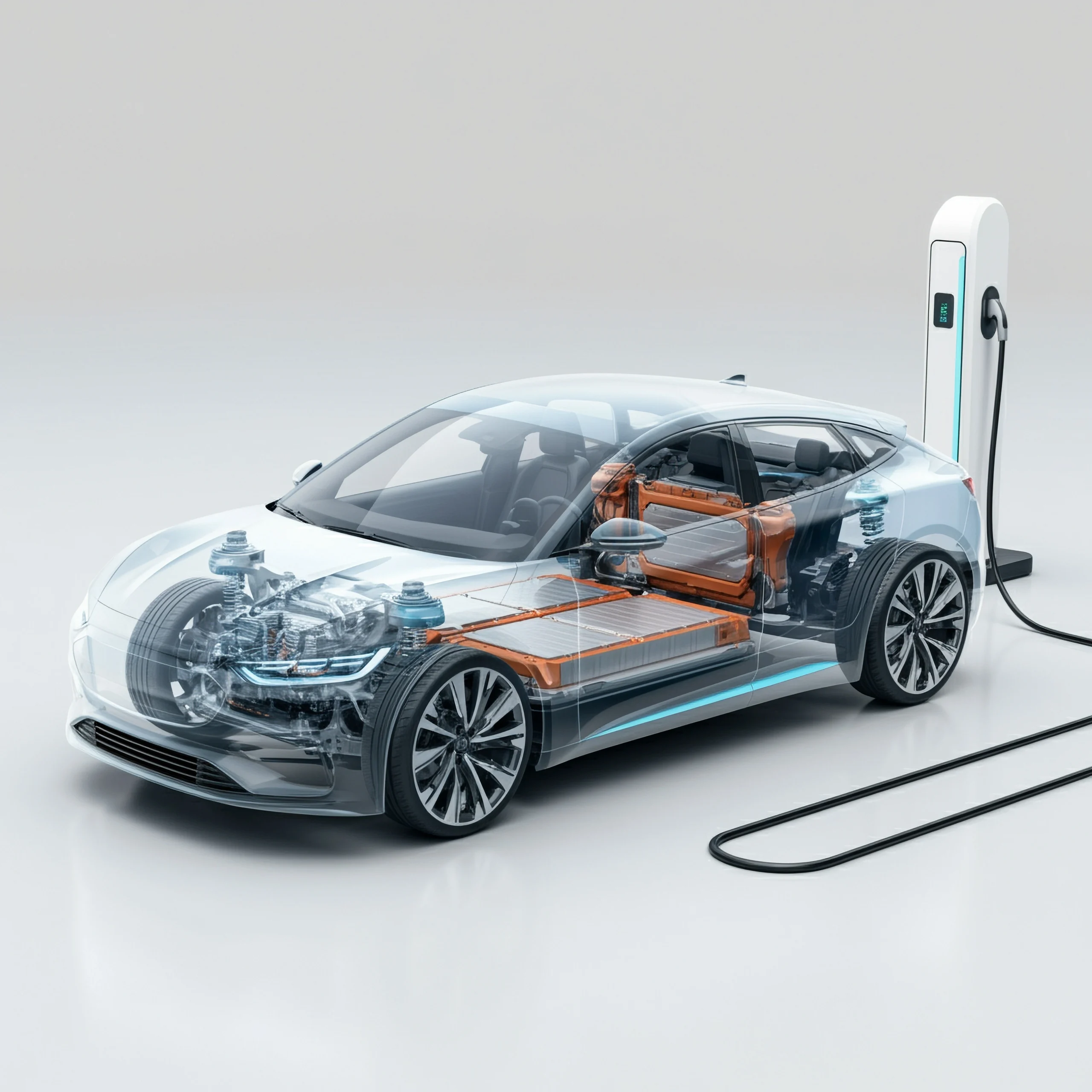
Dual-chemistry batteries won’t displace single-chemistry as the dominant EV architecture — but they’re on track to fit two specific niches: entry-level vehicles and Extended-Range Electric Vehicles (EREVs). Here’s why.
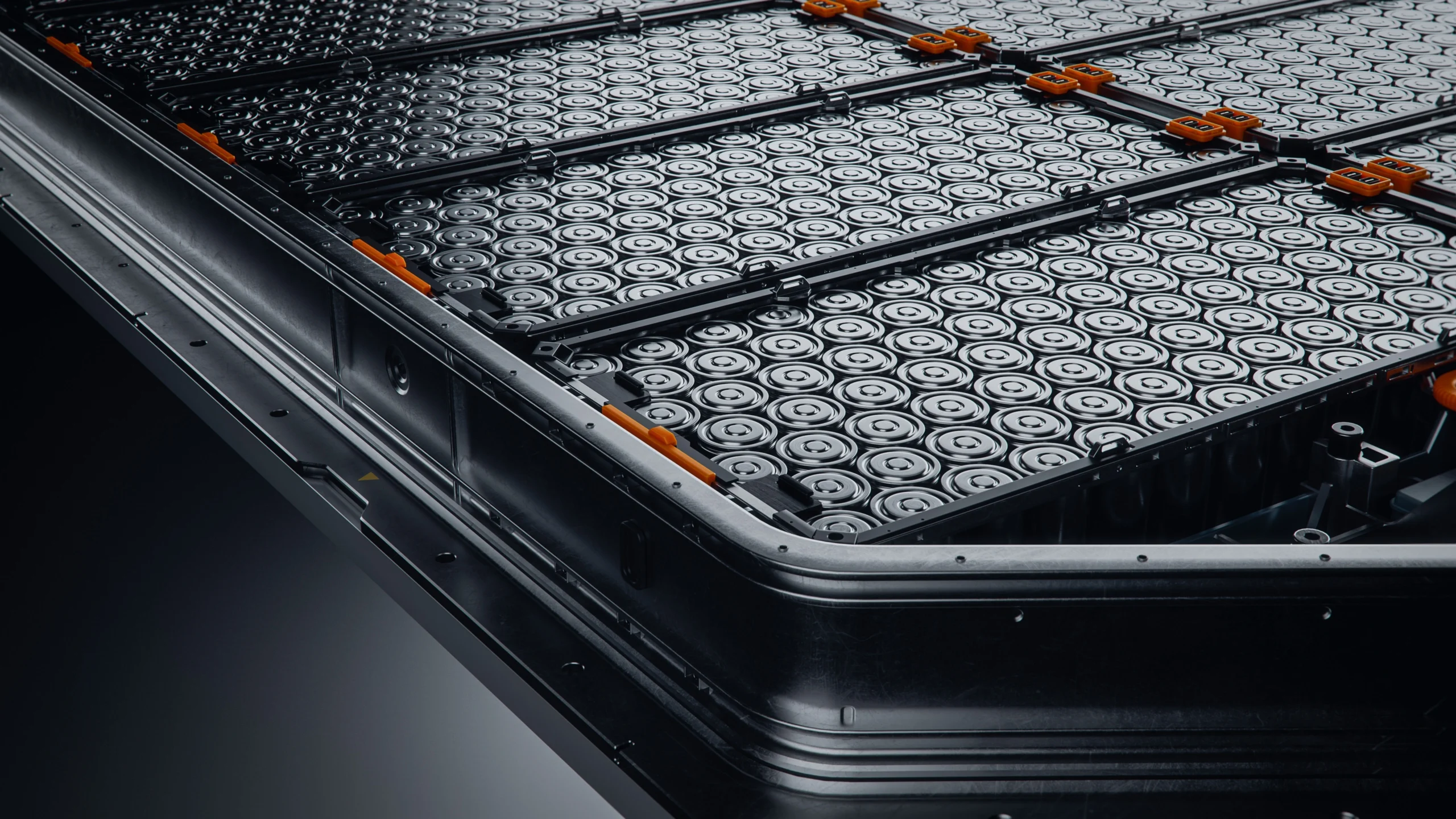
Today, nearly every EV battery pack — whether built from 100 cells or several thousand — uses a single, identical Li-Ion cell design (NMC, LFP, or Na-Ion). That single-chemistry approach is the industry default. Dual-chemistry systems break from it, electrically coupling two different cell populations within one traction battery. Companies, including CATL, have already brought demonstrator vehicles to market using this approach.
The appeal is straightforward: pairing energy-optimized cells with power-optimized cells lets a pack capture the best of both. That means higher energy density at the pack level, better cold-temperature power delivery, and — in some architectures — improved durability. The cost is added complexity: extra hardware to couple sub-packs with unequal open-circuit voltage, and more demanding battery management and thermal control requirements.
What’s Already Been Built
CATL and NIO have taken an integrated approach, blending durable LFP with high-energy-density NMC cells within shared modules rather than isolating each chemistry into its own sub-pack — and they’ve taken this to production, not just demonstration. CATL’s Freevoy Dual Power battery goes further still, combining sodium-ion and lithium-ion chemistries in a single casing to cut cost and improve cold-temperature performance.
The Evidence. This Isn’t Speculative
Public information on OEM and battery-maker strategy is limited, but patent filings are a reliable proxy — and they tell a clear story. My review of recent filings (conducted with the support of b-science.net and their proprietary method to identify technology innovation paths in the battery industry) shows sustained, multi-patent activity since 2020 from General Motors, Hyundai, Tesla, CATL, LG Energy Solution, and others, concentrated in four areas: system electrical topology, BMS functions (SOC/SOH determination and balancing), charging methods, and thermal management — all specific to dual-chemistry operation. That’s not exploratory R&D. That’s commercial intent from five of the industry’s most consequential players.
Where This Actually Lands
For mainstream, mid-to-high-tier EVs, dual-chemistry will struggle to displace the incumbent single-chemistry approach as long as that approach keeps advancing at its current pace on cost and performance. But that pace won’t hold forever — and once single-chemistry gains become incremental, dual-chemistry becomes the more attractive lever for further optimization.
Two Segments Will Get There First
- Entry-level EVs. Once the additional system-level hardware scales to commodity cost, pairing Na-Ion and LFP cells gives entry-level vehicles the performance they need at a price point single-chemistry can’t easily match.
- EREVs. A small, high-density NMC zone handles instantaneous acceleration and regenerative braking; a durable LFP zone absorbs the thousands of micro-charge cycles delivered by the range-extender engine.
Dual-chemistry isn’t the next mainstream battery architecture — and it doesn’t need to be. It’s a targeted tool for segments where single-chemistry’s one-size-fits-all tradeoff doesn’t hold up. Expect it to show up first in entry-level and EREV programs, as a deliberate architecture choice.
Dr. Soeren Striepe, CEO and Founder of Striepe Battery Consult Inc., has two decades of experience in advanced batteries for transportation applications, with expertise spanning technology development, application requirements, battery system design, manufacturing processes, testing, and the broader industry value chain. As our Technology Development & Systems Design Expert, Soeren supports clients working across vehicle electrification and battery systems development and is available to support your organization for Q&As, on a project basis, or through ongoing support. Click below to schedule a quick discovery call to see how Soeren, or our other SMEs, can support your team.