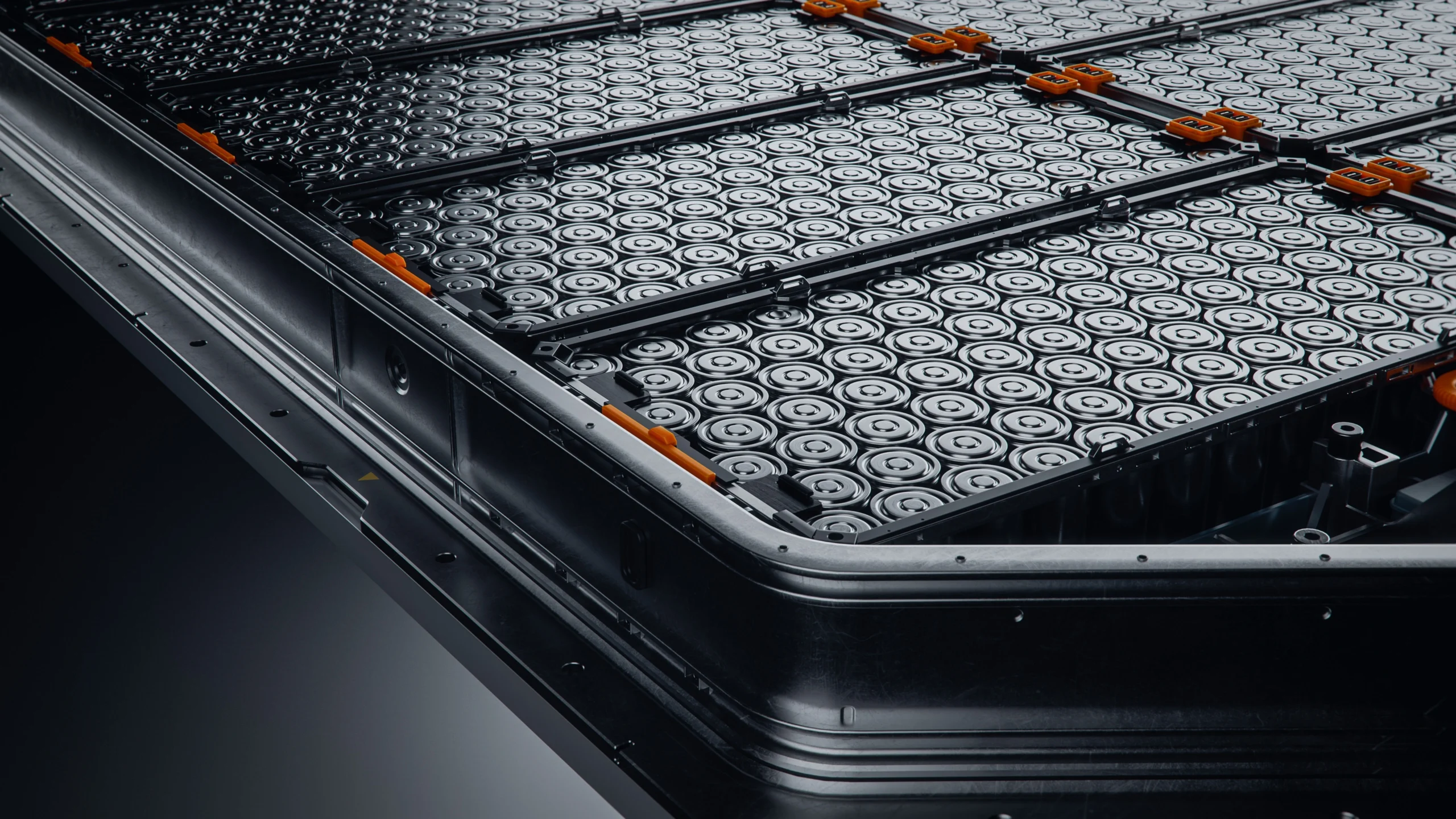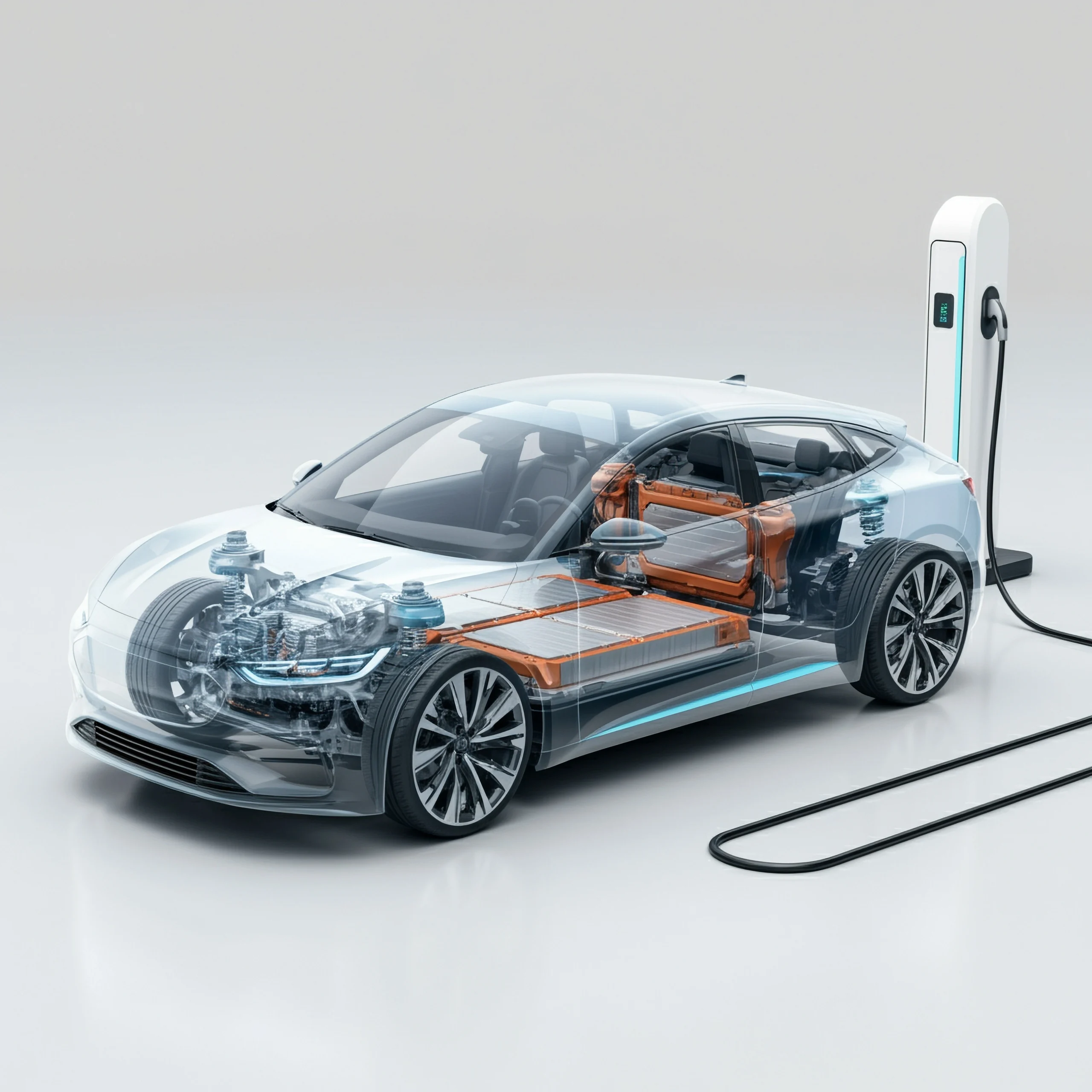

Lithium solid-state batteries (SSBs) have been positioned as the next major leap in energy storage for over a decade now, especially in the transportation sector.
They promise higher energy density, improved safety, and the enabling of lithium metal anodes.
Yet despite substantial investment and steady technical progress, true solid-state batteries remain largely in prototype or early pre-commercial stages, with only “quasi-solid” or hybrid designs in the near-commercialization stage.
The divide between the promise of the technology and the reality of scalable manufacturing remains significant.
There are several compelling advantages of lithium-based SSBs over liquid organic carbonate electrolyte-based LIBs.
Solid-state electrolytes enable the use of lithium metal anodes in certain cases, which are not electrochemically compatible over long-term cycling with conventional liquid electrolytes due to SEI instability and excessive lithium inventory loss.
Even without lithium metal, though, solid electrolytes can facilitate higher silicon loadings and improved interfacial stability, enabling greater anode areal capacities.
In addition, SSBs offer the promise of more intricate patterned, graded, or micro-structured electrodes and are more amenable to fully dry electrode processing.
Elimination of flammable liquid solvents removes one of the principal failure pathways in traditional LIBs.
Solid lithium-ion conductors such as ceramics (LLZO, etc.), glasses (LGPS, etc.), and polymer composites (PEO, etc.), with the former two material classes offering inherently greater thermal stability and reducing the risk of catastrophic failure initiated by electrolyte combustion.
SSBs may also be operated safely at significantly higher cell temperatures and may exhibit only soft shorting under certain conditions via Li dendrite propagation.
One of the most fundamental differences between conventional LIBs and SSBs lies in interfacial physics.
In liquid-electrolyte cells, the electrolyte fills all void volume and wets porous electrodes completely, establishing intimate 3D contact throughout the microstructure.
In contrast, solid-state cathodes and anodes rely on solid-solid interfaces, where the contact area is limited and highly sensitive to pressure and mechanical compliance.
Often, there is dead space left in the SSB cathodes (and anodes) because the densification steps leave behind a small amount of void volume.
To compensate for limited interfacial contact, many true SSB architectures require sustained compression pressures in the range of 10-20 MPa, which has significant implications for module and pack-level mechanical design (as compared to only fractions of 1 MPa in conventional LIBs), to maintain performance and capacity retention.
Manufacturing challenges remain significant, and many companies are currently implementing hybrid or quasi-solid designs incorporating gel catholytes, polymer-composite separators, or small amounts of liquid electrolyte.
These approaches improve manufacturability but are not true solid-state systems. Advances in roll-to-roll (R2R) manufacturing are also needed to produce SSBs that are not yet at scale in the battery industry, which may include technologies like hybrid additive/R2R approaches and digital printing.
Sulfide glass electrolytes offer high ionic conductivity but require extremely low dew points (often -70°C or even lower) to prevent degradation and are not as stable against Li metal.
Oxide garnets are less moisture-sensitive and more stable against Li metal, but they require high-temperature densification and are mechanically brittle, complicating processing and integration.
Therefore, the SSB cell formats are typically limited to pouch and prismatic designs today, although the glassy electrolytes, especially if combined with a polymer electrolyte, may ultimately be compatible with the cylindrical format.
Commercial liquid-electrolyte EV LIBs now operate at areal capacities exceeding 4 mAh/cm².
Many demonstrated true SSB prototypes operate at areal capacities well below this mark to achieve acceptable cycling performance and rate capability, and these limitations are amplified at low cell temperatures.
Furthermore, solid-state designs eliminate flammable solvents, but are not automatically inherently safe, as lithium metal remains highly reactive, and oxygen evolution from high-energy cathodes is also possible.
The likeliest near-term commercialization pathway for SSBs involves first introducing the hybrid systems toward the latter part of this decade in the most demanding sectors (transportation, defense, and aerospace).
True solid-state batteries achieving competitive cost and manufacturing yields are more realistically positioned for high-volume commercialization in the early 2030s.
Solid-state batteries represent a higher energy density ceiling and a fundamentally different failure-physics regime, but achieving these advantages at scale requires solving mechanical, interfacial, and manufacturing challenges that are still actively being engineered.
The key breakthrough(s) will come not from materials discovery alone, but also from manufacturing integration, and the ultimate winners will be those who best address the junction between materials and manufacturing science.
About the author:
David Wood consults in the materials electrochemistry, electrochemical engineering, and roll-to-roll (R2R) manufacturing spaces for advanced batteries, fuel cells, and electrolyzers. He specializes in unique R&D and manufacturing scale-up methods with an emphasis on product development and technology transfer. David has supported clients across the North American battery value chain and is available to support your organization for Q&A’s, on a project basis, or through ongoing support. Click below to schedule a quick discovery call to see how David, or our other SMEs, can support your team.