Leverage expert insights and data to uncover the future direction of the aerospace and defense battery market and strategically position your organization to seize upcoming opportunities.
US Defense and Aerospace Market for Battery Applications was ~$2B in 2025
The US accounts for about 20% of the global aerospace and defense battery market.
System costs are substantially higher than Auto- ~$250-350/KWhr average
The aerospace and defense sectors are rapidly evolving into critical markets for advanced battery technologies, as electrification extends beyond traditional auxiliary power systems and niche mission equipment.
Across a wide range of platforms—including aircraft, satellites, unmanned systems, naval vessels, soldier- worn devices, ground vehicles, and military infrastructure—batteries are now required to meet increasingly demanding specifications. These include higher power outputs, extended runtimes, reduced acoustic and thermal signatures, and support for distributed energy architectures.
These evolving requirements are driving demand for advanced lithium-ion chemistries, specialized formulations, ruggedized battery packs, high-reliability battery management systems, and next-generation technologies tailored for mission-critical applications.
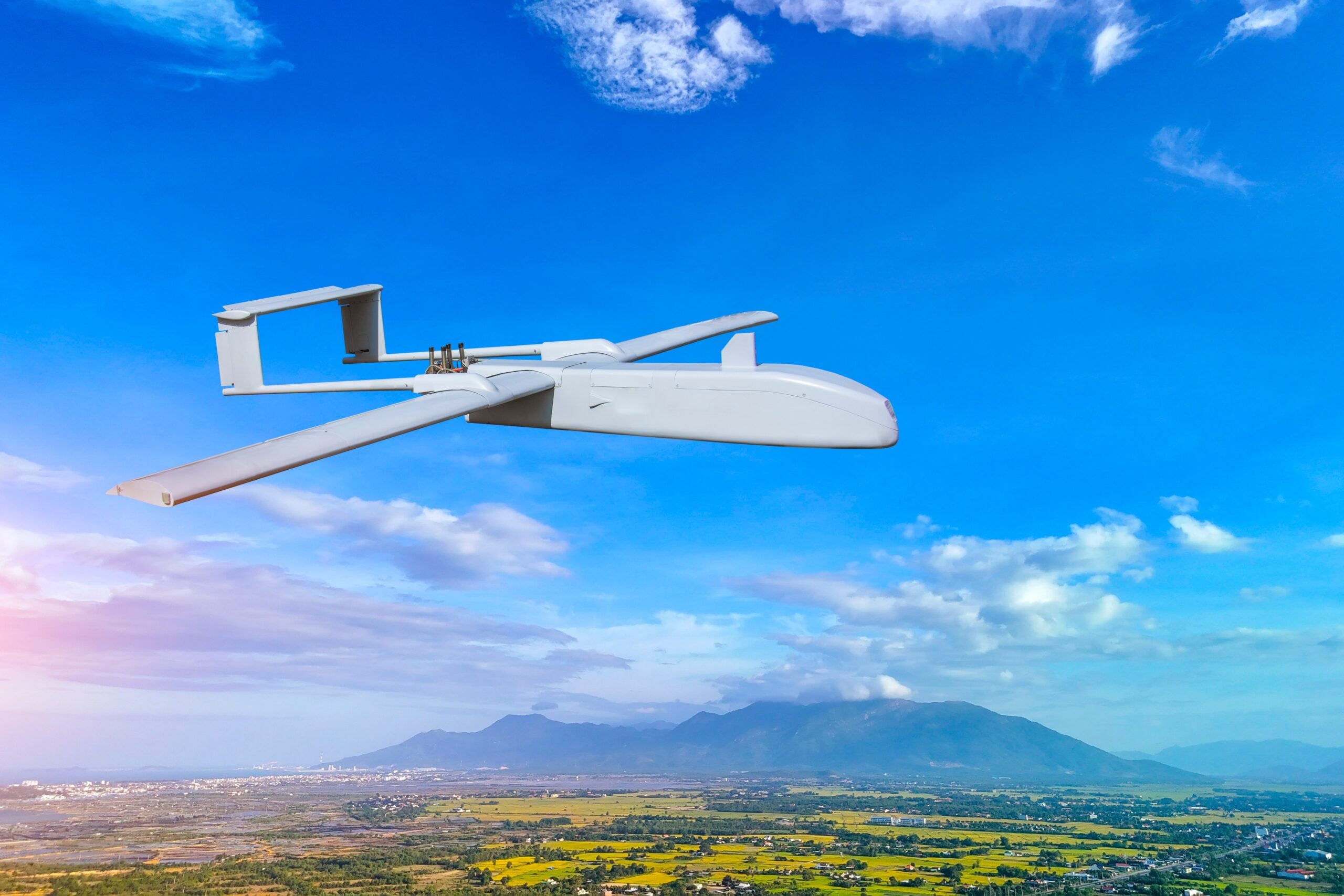
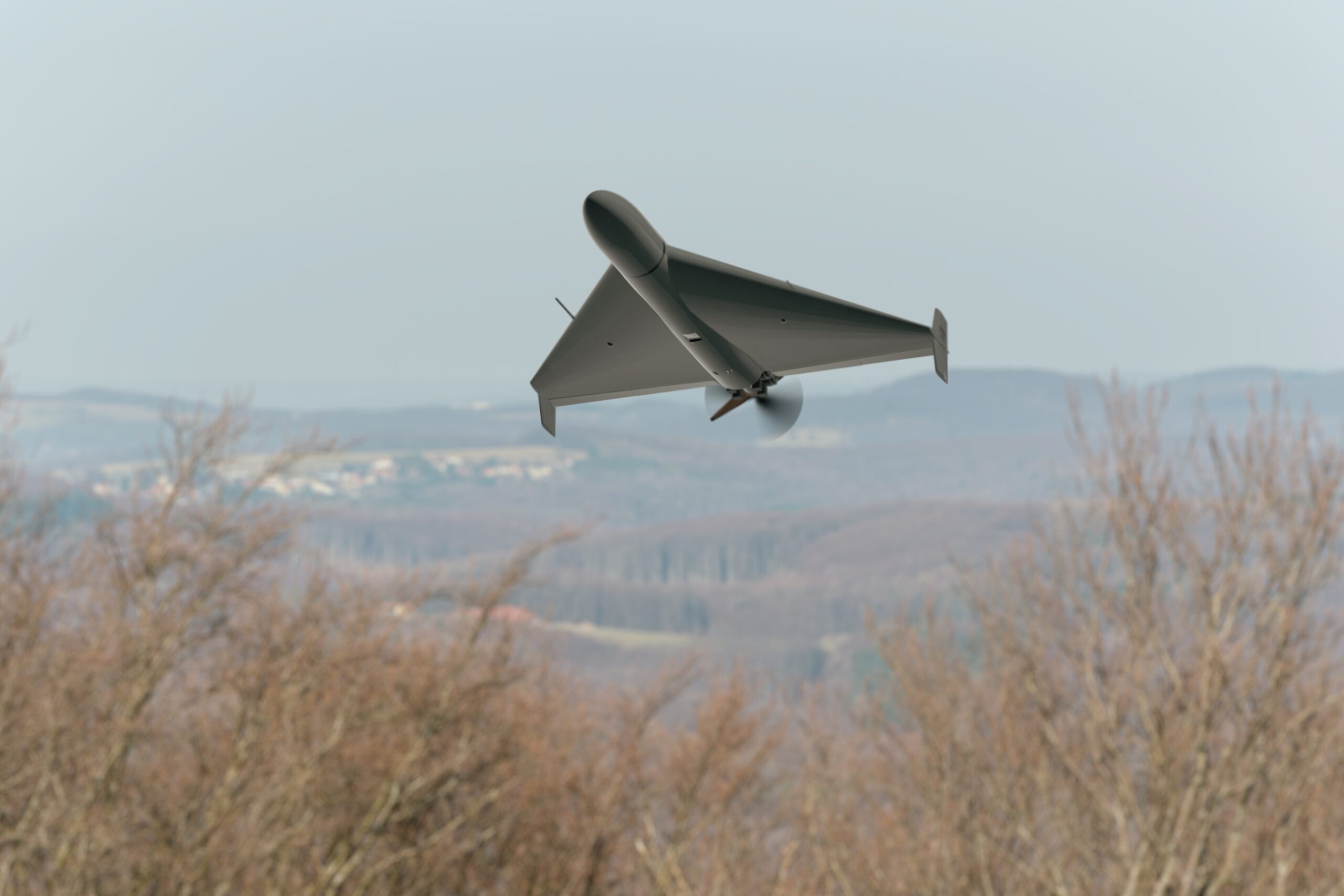
In aerospace, the demand for batteries is being shaped by the transition toward more electric aircraft, advanced air mobility solutions, drones, satellites, and high-performance onboard power systems.
Key considerations such as weight, energy density, safety, cycle life, certification, and thermal management are critical, yet the optimal solution varies significantly by application. For instance, batteries designed for eVTOL aircraft, high-altitude drones, satellites, or emergency power systems must address distinct requirements for discharge rates, operating temperatures, redundancy, packaging, and qualification standards.
This diversity in application-specific needs makes the aerospace battery market challenging to quantify and even more difficult to penetrate without a nuanced understanding of demand drivers, critical performance tradeoffs, and the unique procurement and certification pathways associated with each platform.
The defense sector introduces additional layers of complexity. Military applications increasingly prioritize portable power solutions, unmanned systems, silent-watch capabilities, directed-energy support, hybrid tactical vehicles, forward-operating base power, and resilient microgrids.
Cell manufacturers, pack designers, materials suppliers, electronics providers, recyclers, and system integrators must identify which applications are transitioning from pilot programs to full-scale procurement, which chemistries are best suited to specific use cases, and how qualification timelines may impact commercialization efforts.
Additionally, aerospace and defense buyers place significant value on trusted supply chains, domestic or allied sourcing, long-term availability, and demonstrated reliability. These preferences create both challenges and competitive advantages for companies that can effectively position themselves to meet these stringent requirements.
For stakeholders across the battery supply chain, the aerospace and defense markets present compelling opportunities but demand a disciplined and strategic approach.
Batteries in these contexts offer the potential to reduce fuel logistics, enhance mobility, support stealth operations, and enable new mission capabilities. However, adoption is contingent on more than just technical performance.
Solutions must be rugged, safe, transportable, maintainable, secure, and capable of withstanding the harsh conditions of military operations. Often, the most successful technologies are not those with the highest energy density but those that achieve an optimal balance of reliability, safety, supply chain assurance, and operational compatibility.
1. Unmanned aerial systems and military drones
2. eVTOL, electric aviation, and hybrid-electric aircraft
3. Defense electrification and hybrid tactical vehicles
4. Soldier-worn and portable power systems
5. 6T batteries and vehicle auxiliary power
6. Directed energy and high-power defense systems
7. Space, satellites, and high-reliability aerospace platforms
8. Base, shipboard, and mission infrastructure energy storage
Battery systems for aerospace and defense applications are significantly more expensive than those used in the automotive sector, with average costs ranging from approximately $250 to $350 per kilowatt-hour. This cost disparity reflects the stringent performance, safety, qualification, and reliability requirementsnecessary for mission-critical environments.
Unlike automotive battery packs, which benefit from high production volumes, standardized platforms, and mature supply chains, aerospace and defense programs are characterized by much smaller production runs.
These systems are often tailored to specific aircraft, platforms, missions, or operating environments, resulting in custom requirements. Consequently, the costs associated with engineering, testing, tooling, and qualification are distributed acros fewer units, driving up the per-system cost.
Aerospace and defense batteries must meet highly specialized performance criteria, including high power output, exceptional energy density, low weight, and reliable operation under extreme conditions.
These systems are often required to function during rapid discharge, high vibration, altitude changes, wide temperature ranges, or extended storage periods followed by immediate use.
Achieving these capabilities requires advanced materials, precise cell selection, specialized pack designs, and robust electronics, all of which increase costs.
While battery failures in automotive applications are serious, failures in aerospace and defense contexts can be catastrophic, potentially resulting in mission failure or loss of life.
As a result, battery systems in these sectors must incorporate extensive safeguards, including advanced thermal management, fault detection, containment mechanisms, redundancy, and safe operation under abnormal conditions.
These stringent safety and reliability requirements increase costs at every level, from cells and modules to enclosures, battery management systems (BMS), and overall system integration.
Aerospace and defense batteries are subject to rigorous testing and certification processes before they can be deployed. These processes often include environmental testing, abuse testing, vibration and shock testing, altitude testing, electromagnetic compatibility testing, transportation testing, and platform-specific qualifications.
Such testing can span years and require comprehensive engineering documentation, validation, and traceability, significantly increasing the overall cost.
Unlike automotive battery packs, which are designed for repeatable vehicle platforms, aerospace and defense systems must be integrated into highly constrained spaces with strict requirements for weight, form factor, cooling, communications, and electrical architecture.
The battery system must adapt to the platform, not the other way around. This necessitates additional engineering, prototyping, testing, and system-level validation, further increasing costs.
Aerospace and defense customers impose rigorous supply chain requirements, including detailed documentation, qualified suppliers, secure sourcing, long-term availability, and full traceability of materials, components, and manufacturing processes. In some cases, additional constraints such as domestic sourcing, export controls, cybersecurity measures, or program-specific supplier approvals further limit flexibility and access to lower-cost commercial supply options, driving up costs.
While automotive platforms follow relatively predictable production and refresh cycles, aerospace and defense platforms often remain operational for decades.Battery suppliers must provide long-term support, including replacement, redesign, obsolescence management, documentation, and qualification maintenance.over extended periods. This long-term lifecycle support is factored into the system’s total cost, further differentiating it from automotive applications.
In summary, battery system costs in aerospace and defense are higher because these markets demand far more than a low-cost energy storage solution. Every system must be engineered for mission-critical performance, strict safety requirements, platform-specific integration, long qualification cycles, secure supply chains, and decades of lifecycle support. Unlike automotive markets, where scale and standardization drive costs down, aerospace and defense applications often require lower-volume, highly customized systems designed to operate reliably in extreme and unforgiving environments. For suppliers and investors, understanding these cost drivers is essential to evaluating technology readiness, pricing strategies, market opportunities, and realistic paths to adoption.
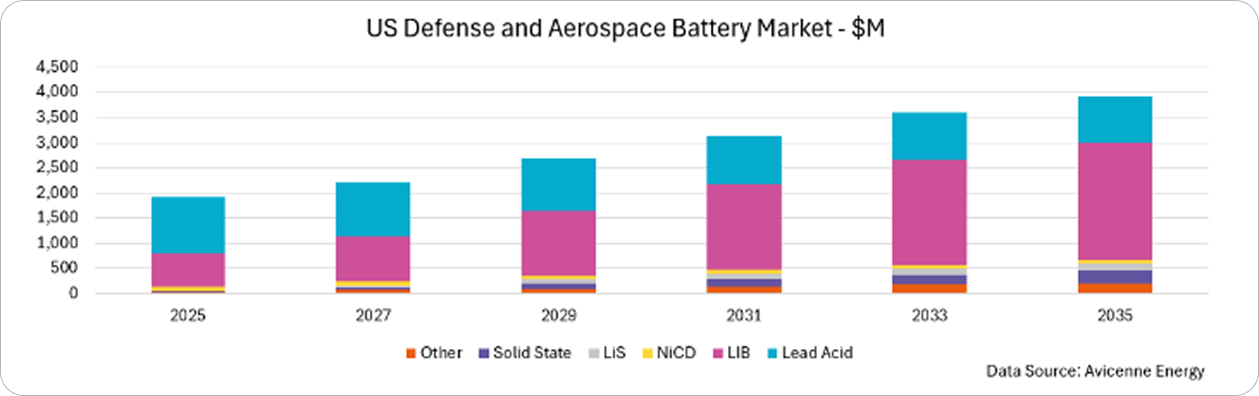
The aerospace and defense sector is increasingly transitioning to advanced lithium-ion technologies and emerging solid-state and silicon-anode solutions, driven by the need to enhance energy density, reduce weight, and expand mission capabilities.
In these applications, battery performance plays a critical role in determining key operational parameters such as payload capacity, range, endurance, portability, and overall platform design. Each incremental reduction in battery weight generates significant value by enabling additional capacity for sensors, communication systems, weaponry, protective equipment, cargo, or extended operational durations.
Battery spending in the U.S. aerospace and defense sector is being propelled by a combination of evolving mission requirements and supply chain imperatives.
Key applications such as drones, soldier-worn electronics, hybrid tactical vehicles, directed energy systems, more-electric aircraft, and resilient military infrastructure demand advanced battery solutions.
Simultaneously, there is a growing emphasis on standardization, domestic sourcing, and secure access to critical materials, reflecting both operational needs and geopolitical considerations.
The demand for advanced batteries in aerospace and defense extends well beyond cell manufacturing.
Growth in this market will depend on innovations in advanced materials, pack engineering, qualification expertise, ruggedized electronics, thermal management, and secure supply chains.
Success will also hinge on the ability to meet highly specialized mission requirements, which often involve stringent performance, safety, and reliability standards.
While the aerospace and defense battery market offers significant opportunities, adoption is highly selective and shaped by a range of factors.
Performance requirements, qualification hurdles, customer risk tolerance, and supply chain constraints all play critical roles in determining which technologies succeed.
A battery technology that appears promising at the cell level may encounter substantial barriers when evaluated against platform integration, safety, durability, manufacturability, certification, sourcing, and lifecycle support requirements.
Given these challenges, accurate technology roadmaps, market forecasting, and domestic supply chain planning are essential.
Companies must identify which applications are transitioning from early evaluation to full-scale procurement, which chemistries are best suited to specific use cases, and where domestic manufacturing or qualified supply will be necessary to remain competitive.
Without this visibility, suppliers risk misallocating resources, overestimating near-term demand, or failing to meet the qualification and sourcing requirements critical for adoption.
The defense sector introduces additional layers of complexity. Military applications increasingly prioritize portable power solutions, unmanned systems, silent-watch capabilities, directed-energy support, hybrid tactical vehicles, forward-operating base power, and resilient microgrids.
Cell manufacturers, pack designers, materials suppliers, electronics providers, recyclers, and system integrators must identify which applications are transitioning from pilot programs to full-scale procurement, which chemistries are best suited to specific use cases, and how qualification timelines may impact commercialization efforts.
Additionally, aerospace and defense buyers place significant value on trusted supply chains, domestic or allied sourcing, long-term availability, and demonstrated reliability. These preferences create both challenges and competitive advantages for companies that can effectively position themselves to meet these stringent requirements.
Avicenne Energy helps clients navigate opportunities in aerospace and defense with market insight grounded in battery expertise and real-world industry knowledge.
We support companies in identifying where demand is emerging, how technical requirements vary by application, which players are shaping the market, and what supply chain, certification, and commercialization hurdles must be addressed.
For organizations looking to enter or grow in aerospace and defense, the opportunity is significant, but success depends on understanding where the market is headed and aligning technology, capacity, partnerships, and go-to-market strategy with the applications most likely to scale.
Contact us to see how we can help drive growth for your organization.